HireHerRight
UX/UI Research and Design

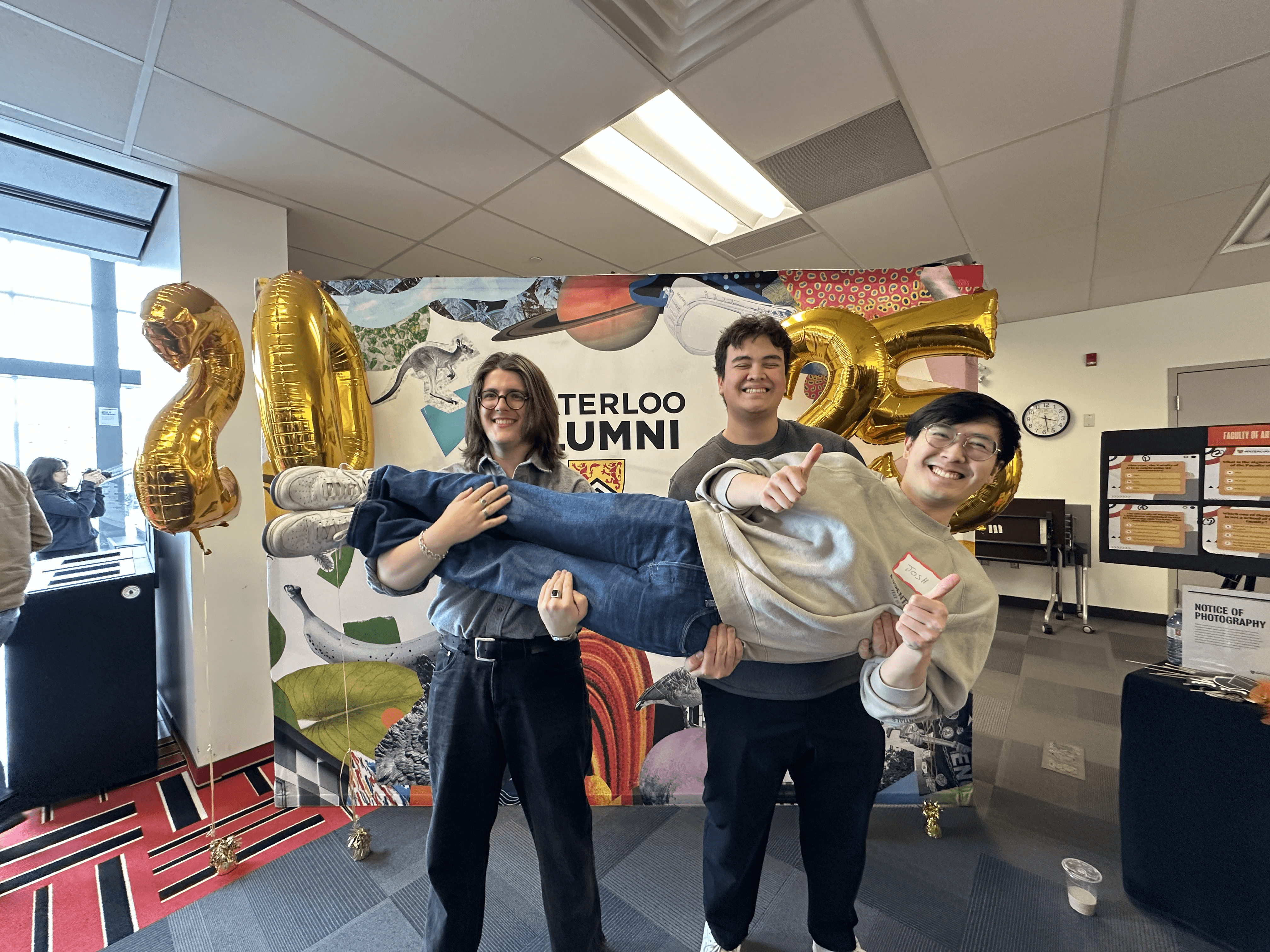
For our final course, we were given a 4 credit capstone course as the final challenge. Our school had partnered up with IBM, with their Student Service Design Challenge (SSDC). The goal of this challenge was to create a full service blueprint and prototypes of a service to fit that years theme, being industry bias. Students were asked to split into teams of 4-5.
the pitch
role
time line
service design
Beginning Stages
During our first phase of the course, we were tasked with things like brainstorming, and research, lots of it. This beginning was a lot of throwing ideas at the wall and seeing what sticks and has enough interest to pursue from all of us. It was very important to have something we were passionate about since we would be working on it for the next 3-4 months. After circulating ideas, our group landed on a combined ideas of gender bias in the job search process.
Design and Research Phase
A lot of emphasis was put into our early research stage. We could not start with any design or prototyping until we got the greenlight with a solid foundation of research. With the main subject of gender bias in the recruitment process, research was under way. A large focus on the research was getting both qualitative and quantitative data to support our idea that women and marginalized groups can subconsciously or consciously get discouraged from applying due to biased language within the job postings. Masculine-leaning words like handyman, committed, or strong, could lead to women or other groups that feel they don't fit the descriptions of these words feeling discouraged from applying. From however obvious or subtle these words are, we wanted to challenge and bring light to this issue, as we felt it was one that was neglected, and was hopefully a good starting point to get a conversation of gender bias in the job searching market rolling.
This stage heavily focused on getting testimonies, and surveying HR employees of all levels, and asking them what they thought of hand picked masculine or feminine leaning words. This was also backed by good amounts of research discussing this very topic.
After we had a solid base, we were then given the greenlight to start design and creation of a service we plan to ship that tackles this problem we proposed.
Service Design and Prototyping
Before developing a working prototype of our envisioned product, our team was tasked with creating the backbones of our service. Things like a service design blueprint, Porter's analysis, competitor analysis, PESTEL, everything that explores all avenues of our approach. I was tasked with creating the Porter's analysis, as well as assisting the service design blueprint. This stage was fairly tame, given it was adding more research onto our existing foundation. Having experience performing a lot of these analyses and research methods really felt useful in this capstone course, a culmination of what we learned finally applied to an all-encompassing project.
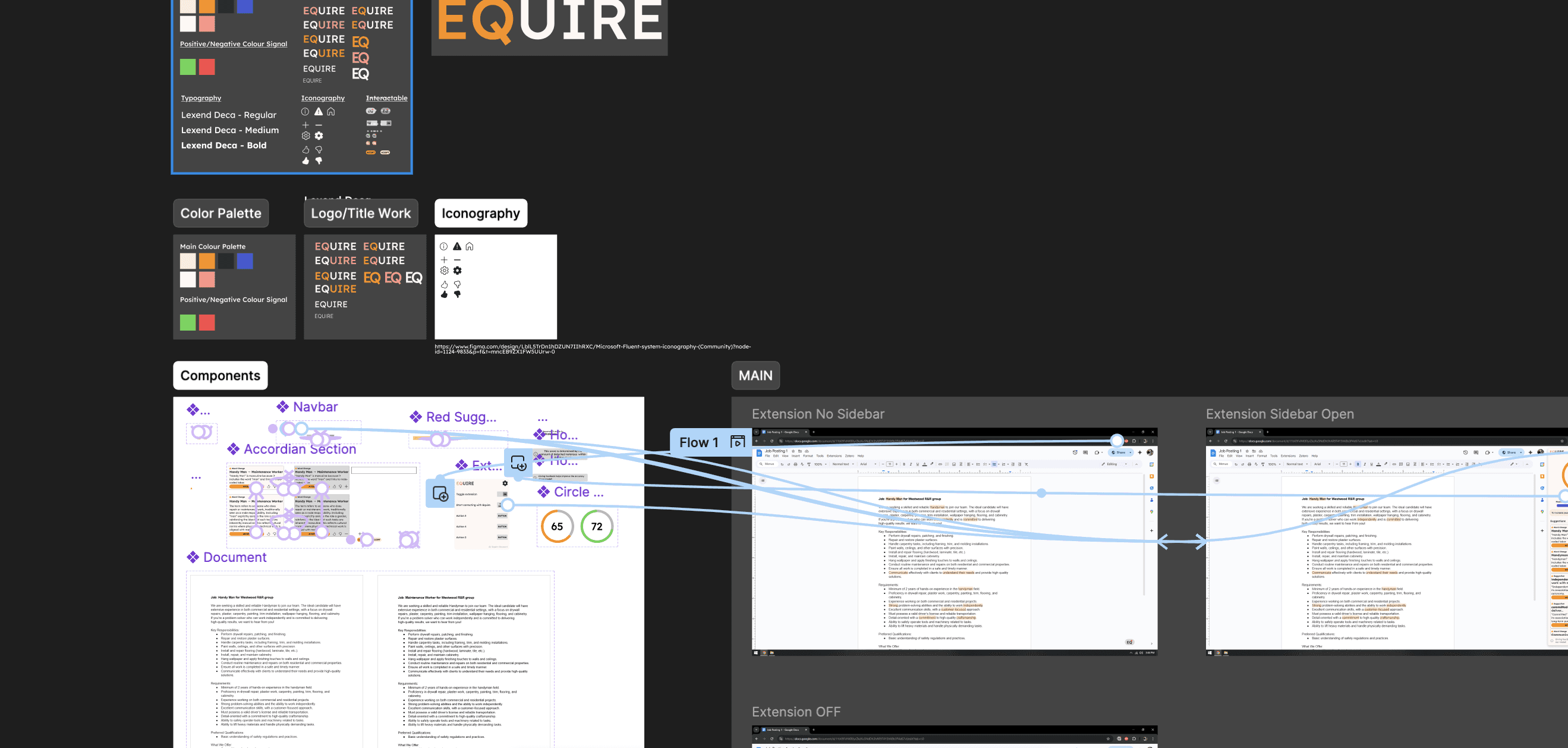
After my assigned part was complete, I was then assigned the ultimate goal of designing a prototype of our planned service. To keep it short, we wanted to design a tool that HR professionals can use that checks the text within your text editor, and scans for words that can be seen as masculine or feminine leaning. This tool also offered alternatives, as well as descriptions as to why the words were highlighted. Among other things, the service also encapsulated other things like HR training modules, a HR suite that helps professionals with things like managing applications and interviews, etc…
The creation of these prototypes were difficult, as it was my first time designing a full fidelity prototype from low to high. Although I have assisted or worked on design projects with other people before, this was the first time doing it alone. Design took heavy inspiration from similar tools in the market, and other design elements were refined from extensive user testing. Some examples of user tested elements that changed were things like the expanded descriptions of the highlighted words, the feedback menu placement, size, and highlight color among some other things. In the end, i created something that I found something that I was satisfied with within the timeline we were given. After the amazing work done by the rest of my team to come up with financial projections, timeline, and other scope related information to create a feasible product. After all of this was done and delivered, all the teams set up their booths to be displayed and presented to judges, and the mayor of Stratford!
Final Stages
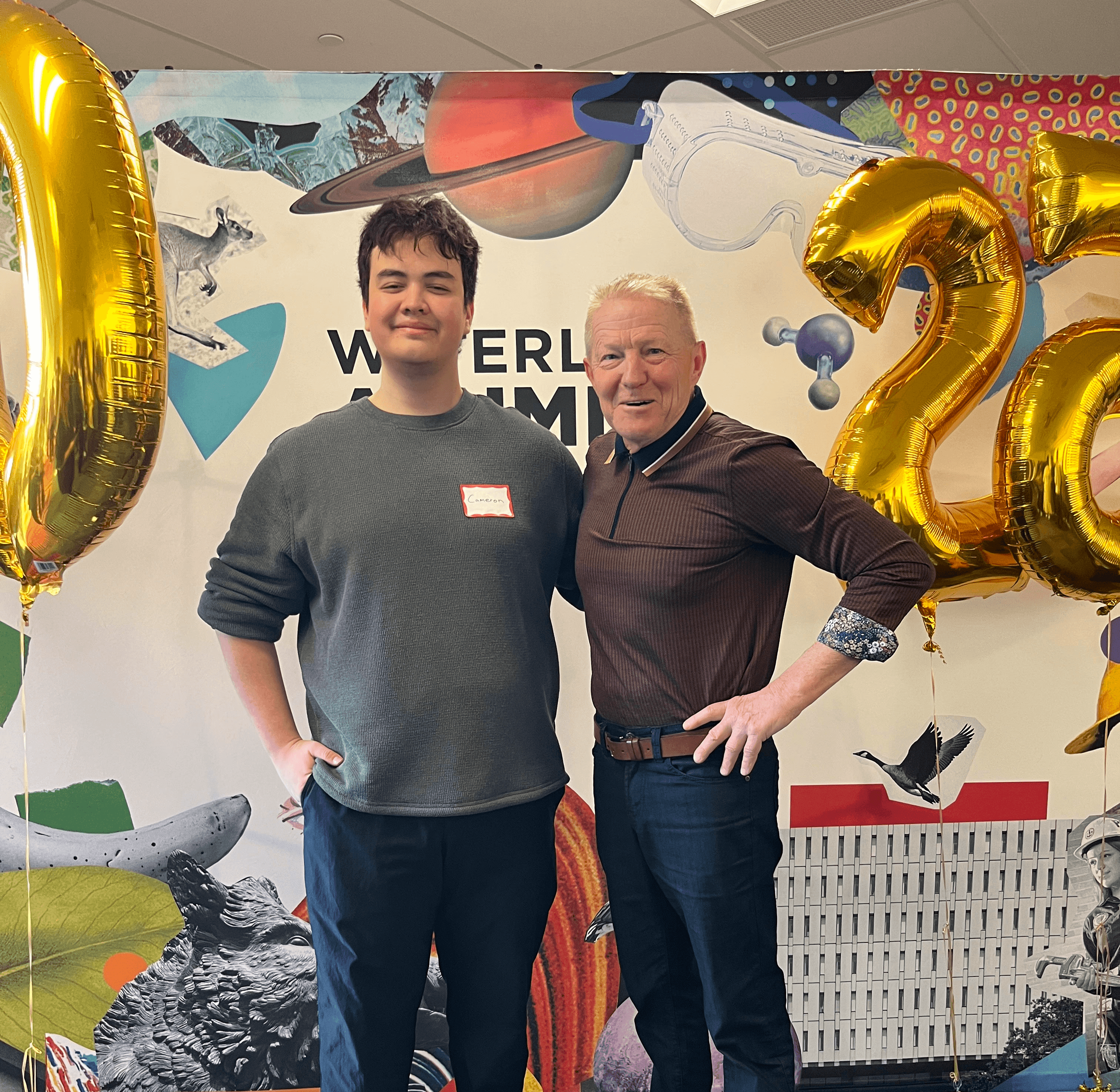
There are so many little things I wanted to describe within this post, however, I think its important to focus on the important aspects and outcomes. During the final presentation fair, the mayor came up to our booth, and shared his thoughts on our project. I found it very interesting to hear him voice his agreement with our problem space, and how this service was very applicable to his work place. Hearing this, I was confident knowing the amount of effort and research our team put into the whole project. A personal anxiety I had was the fidelity and design of the tool I designed. I wish I had a little more time to flesh out the design of our project, however, we were in a slight time crunch. Perhaps if I worked on it with another person, the result would be more satisfying for me personally, however, looking back at it now after some time after graduation, I feel that the finished design of product is not done baking yet, and needs more time in the oven.
Overall, this project taught me SO many things about teamwork, deadlines, and obligations. It also gave me a peek into the UX/UI design world using Figma extensively, creating components, working with colors, typeface, shapes, layout, etc… My team did a fantastic job with the IBM SDC of 2025!